

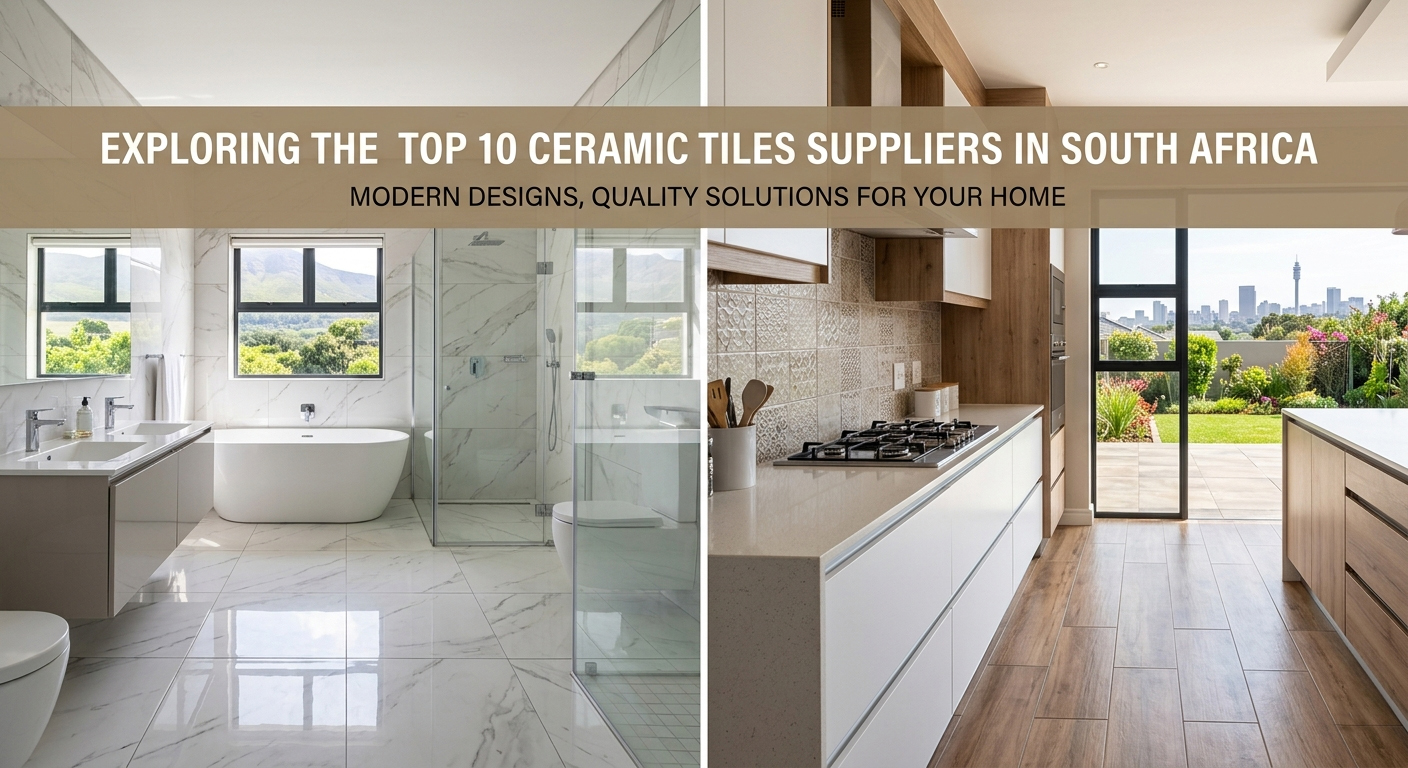
Introduction:
The ceramic tile industry in South Africa has experienced remarkable growth over the past decade due to rapid urbanization, infrastructure development, and increasing demand for stylish interior and exterior solutions. Ceramic tiles are widely used in residential homes, commercial buildings, shopping malls, hotels, offices, and industrial projects because of their durability, affordability, and aesthetic appeal. From modern floor tiles to decorative wall tiles, South African consumers now have access to a wide variety of premium ceramic tile options that match global design standards.
As construction and renovation activities continue to rise, the need for reliable ceramic tile suppliers has become more important than ever. Homeowners, architects, interior designers, and builders seek suppliers that offer high-quality products, competitive pricing, innovative designs, and excellent customer service. South Africa is home to several established tile suppliers that provide locally manufactured and imported ceramic tiles suitable for various applications.
This blog explores the top ceramic tile suppliers in South Africa, current market trends, product varieties, pricing factors, sustainability practices, and expert tips for selecting the right tiles for your project. Whether you are designing a modern home or managing a large commercial project, this guide will help you make informed decisions.
1. Introduction to the Ceramic Tiles Market in South Africa:
The ceramic tiles market in South Africa plays a major role in the country’s construction and interior design sectors. Ceramic tiles have become one of the most preferred surfacing materials because they offer the perfect combination of beauty, durability, and cost-effectiveness. South African consumers are increasingly choosing ceramic tiles for residential, commercial, and industrial applications due to their long lifespan and low maintenance requirements.
The market includes a wide range of products such as glazed ceramic tiles, porcelain tiles, vitrified tiles, decorative wall tiles, and outdoor paving solutions. With the rise of modern architecture and contemporary interiors, tile manufacturers and suppliers are introducing innovative designs, textures, finishes, and digital printing technologies to meet changing customer preferences.
Local manufacturers in South Africa continue to compete with imported tile brands from countries like India, Italy, Spain, and China. This competition has improved product quality and expanded design choices for customers. The growth of shopping malls, luxury housing projects, hospitality developments, and office spaces has further increased demand for ceramic tiles throughout the country.
As sustainability becomes more important in construction, many suppliers are also focusing on eco-friendly manufacturing methods and recyclable materials, making ceramic tiles a future-ready solution for modern construction needs.
2. Growing Demand for Ceramic Tiles in Residential & Commercial Projects:
The demand for ceramic tiles in South Africa has increased significantly due to ongoing growth in residential and commercial construction projects. Homeowners are increasingly investing in stylish interiors that combine functionality with visual appeal, while commercial developers seek durable and attractive materials for high-traffic environments. Ceramic tiles fulfil both requirements effectively.
In residential spaces, ceramic tiles are commonly used in living rooms, kitchens, bathrooms, bedrooms, patios, and balconies. Homeowners prefer tiles because they are easy to clean, resistant to moisture, and available in countless designs. Wood-look tiles, marble-effect finishes, and large-format tiles have become especially popular among modern homeowners seeking luxurious aesthetics at affordable prices.
Commercial projects such as shopping centres, hotels, hospitals, educational institutions, and office buildings also contribute heavily to tile demand. These environments require materials that can withstand heavy foot traffic while maintaining their appearance over time. Ceramic tiles provide excellent durability, scratch resistance, and low maintenance, making them ideal for commercial applications.
The renovation industry is another key factor driving growth. Many property owners are upgrading old spaces with modern tile solutions to improve property value and aesthetics. With increasing urbanization and infrastructure investment, the South African ceramic tile market is expected to continue expanding in the coming years.
3. Key Factors to Consider When Choosing a Ceramic Tile Supplier:
Selecting the right ceramic tile supplier is essential for ensuring product quality, timely delivery, and overall project success. Customers should evaluate several important factors before finalizing a supplier for residential or commercial projects.
One of the most critical considerations is product quality. Reliable suppliers provide tiles that meet international standards for strength, water resistance, surface finish, and durability. High-quality ceramic tiles reduce the risk of cracks, discoloration, and maintenance issues over time.
Product variety is equally important. Leading suppliers offer extensive collections including floor tiles, wall tiles, porcelain tiles, textured tiles, decorative tiles, and outdoor paving solutions. A wider range allows customers to find styles that match their design preferences and project requirements.
Pricing and affordability also play a major role. Customers should compare prices among suppliers while considering quality, warranty, and installation costs. The cheapest option may not always provide the best long-term value.
Customer service and after-sales support are additional factors that should never be overlooked. Professional suppliers assist customers with product selection, quantity estimation, delivery coordination, and technical guidance. Fast delivery and reliable stock availability are especially important for large construction projects with strict timelines.
Finally, reputation and industry experience matter significantly. Established suppliers with positive customer reviews and strong market presence are generally more trustworthy and capable of handling large-scale requirements efficiently.
4. Overview of South Africa’s Construction & Interior Design Industry:
South Africa’s construction and interior design industries continue to contribute significantly to economic growth and infrastructure development. The increasing demand for residential housing, commercial spaces, public infrastructure, and luxury interiors has created strong opportunities for ceramic tile suppliers and manufacturers.
The residential construction sector remains one of the biggest consumers of ceramic tiles. Rapid urban expansion and population growth have increased demand for affordable housing as well as premium residential developments. Homeowners now prioritize stylish interiors, modern bathrooms, elegant kitchens, and outdoor entertainment areas, all of which heavily rely on high-quality tile solutions.
Commercial construction projects such as office buildings, hotels, restaurants, retail centres, and healthcare facilities are also driving growth. Developers prefer ceramic tiles because they offer excellent durability, easy maintenance, and attractive aesthetics suitable for busy environments.
The interior design industry in South Africa has evolved rapidly with growing influence from international design trends. Minimalist styles, natural textures, neutral colour palettes, and large-format tiles have become increasingly popular among architects and designers. Digital printing technology has enabled suppliers to offer realistic marble, wood, stone, and concrete finishes that enhance modern interiors.
Government infrastructure investments and tourism-related developments are expected to further support industry growth. As a result, the ceramic tile market will continue benefiting from expanding construction activities across South Africa.
5. Top 10 Ceramic Tiles Suppliers in South Africa:
South Africa is home to several reputable ceramic tile suppliers that serve residential, commercial, and industrial customers. These companies are known for quality products, innovative designs, and reliable customer service.
- Johnson Tiles South Africa
- Italtile
- CTM South Africa
- Ceramic Industries
- Tile Africa
- Mazista Tiles
- Stiles
- Union Tiles
- RAK Ceramics South Africa
- Liviers Tile Suppliers
These suppliers offer extensive collections of ceramic and porcelain tiles suitable for various applications including flooring, wall cladding, bathrooms, kitchens, outdoor spaces, and commercial projects. Many suppliers also import premium tiles from countries like Italy, Spain, India, and China to provide customers with global design options.
Italtile and CTM are among the most recognized names in South Africa, offering nationwide distribution networks and large showrooms. Ceramic Industries is well known for local manufacturing capabilities and durable products. RAK Ceramics brings international quality standards and innovative designs to the South African market.
Most leading suppliers now provide digital catalogues, online ordering systems, professional consultation services, and customized tile solutions. Their ability to combine affordability, quality, and modern design trends has made them highly competitive in the growing South African tile industry.
6. Product Range Offered by Leading Tile Suppliers:
Leading ceramic tile suppliers in South Africa offer a wide variety of products designed to meet the needs of residential, commercial, and industrial projects. The diversity of tile collections allows customers to achieve different architectural styles and functional requirements.
Floor tiles remain one of the most popular categories because they provide durability, easy cleaning, and elegant appearance. Suppliers offer ceramic floor tiles in matte, glossy, rustic, and textured finishes suitable for living rooms, offices, malls, and public spaces.
Wall tiles are available in decorative patterns, geometric designs, subway styles, and marble-inspired finishes. These tiles are widely used in kitchens and bathrooms to create visually appealing interiors while protecting surfaces from moisture.
Porcelain tiles are increasingly popular because of their superior strength, low water absorption, and resistance to wear. Many suppliers provide large-format porcelain slabs that create seamless modern aesthetics.
Outdoor tiles and paving solutions are designed to withstand weather exposure, heavy foot traffic, and moisture. Anti-slip surfaces make them ideal for patios, pool areas, gardens, and walkways.
In addition to standard tiles, suppliers also offer mosaic tiles, designer feature tiles, wood-look tiles, stone-effect finishes, and custom digital printing solutions. This broad product range enables architects and homeowners to create unique and stylish environments for every type of project.
7. Popular Ceramic Tile Designs & Trends in South Africa:
Ceramic tile trends in South Africa continue to evolve as consumers seek modern aesthetics, functionality, and innovative surface finishes. Contemporary interior design styles heavily influence tile preferences in both residential and commercial spaces.
One of the most popular trends is large-format tiles. These tiles create a seamless and spacious appearance with fewer grout lines, making interiors look more elegant and luxurious. Neutral shades such as white, grey, beige, and charcoal remain highly preferred because they complement modern minimalist designs.
Wood-look ceramic tiles are another major trend. These tiles replicate the natural appearance of hardwood flooring while offering better moisture resistance and durability. They are especially popular in living rooms, bedrooms, and hospitality spaces.
Marble-effect ceramic tiles have gained popularity among homeowners who desire a luxurious appearance without the high cost and maintenance associated with natural marble. Advanced digital printing technology allows manufacturers to create highly realistic marble patterns and textures.
Textured and matte-finish tiles are increasingly chosen for contemporary interiors because they provide a sophisticated appearance and improved slip resistance. Geometric patterns, terrazzo-inspired designs, and concrete-look tiles are also becoming common in urban homes and commercial projects.
Outdoor living trends have further increased demand for anti-slip outdoor tiles designed for patios, balconies, and poolside areas.
8. Floor Tiles vs Wall Tiles – Understanding the Difference:
Floor tiles and wall tiles may appear similar, but they are specifically designed for different purposes and environments. Understanding these differences is essential when selecting tiles for residential or commercial projects.
Floor tiles are manufactured to withstand heavy foot traffic, weight, and daily wear. They are generally thicker, stronger, and more durable than wall tiles. Floor tiles also feature higher slip resistance to improve safety in both indoor and outdoor spaces. Porcelain and ceramic floor tiles are commonly used in living rooms, kitchens, offices, shopping malls, and outdoor pathways.
Wall tiles, on the other hand, are primarily designed for decorative purposes and moisture protection. They are usually thinner and lighter because they do not need to heavy loads. Wall tiles often feature glossy finishes, intricate patterns, and decorative textures that enhance the visual appeal of kitchens and bathrooms.
Another important difference is surface texture. Floor tiles typically have matte or textured finishes to reduce slipping risks, while wall tiles may have smooth glossy surfaces for easier cleaning and enhanced aesthetics.
Using wall tiles on floors is generally not recommended because they may crack under pressure. However, floor tiles can sometimes be installed on walls if the structure can support the additional weight. Choosing the correct tile type ensures better performance, durability, and long-term value.
9. Importance of Tile Quality, Durability & Water Resistance:
The quality of ceramic tiles directly impacts their appearance, performance, and lifespan. Investing in high-quality tiles is essential for ensuring durability, water resistance, and long-term satisfaction in residential and commercial projects.
Durability is one of the biggest advantages of ceramic tiles. High-quality tiles can withstand heavy foot traffic, impacts, scratches, and daily wear without losing their appearance. This makes them ideal for busy environments such as shopping centres, offices, hotels, and family homes.
Water resistance is another critical factor, especially in bathrooms, kitchens, laundry areas, and outdoor spaces. Tiles with low water absorption prevent moisture penetration, reducing the risk of mould growth, staining, and structural damage. Porcelain tiles are particularly known for their excellent water resistance and strength.
Quality tiles also maintain their colour and finish for many years, even when exposed to sunlight, cleaning chemicals, and changing weather conditions. Inferior tiles may fade, crack, or lose their glaze over time, resulting in higher replacement costs.
Slip resistance is equally important for safety. Anti-slip finishes help reduce accidents in wet areas such as bathrooms, swimming pools, and outdoor pathways.
Reliable suppliers usually provide tiles that comply with international quality standards and offer warranties for product performance. Choosing durable and water-resistant ceramic tiles ultimately improves aesthetics, reduces maintenance, and increases property value.
10. Pricing Comparison of Ceramic Tile Suppliers in South Africa:
Ceramic tile prices in South Africa vary depending on product quality, design, size, finish, and supplier reputation. Understanding pricing differences helps customers choose products that match their budgets and project requirements.
Entry-level ceramic tiles are generally affordable and suitable for budget residential projects. These tiles are commonly used in standard flooring and wall applications where cost efficiency is a priority. Mid-range ceramic tiles offer improved finishes, better durability, and more modern designs, making them popular among homeowners and small commercial projects.
Premium ceramic and porcelain tiles are typically more expensive due to advanced manufacturing technologies, imported materials, and luxury finishes. Marble-look porcelain slabs, designer collections, and large-format tiles fall into this category.
Imported tiles from Italy and Spain often carry higher prices because of transportation costs and brand reputation. However, locally manufactured tiles can provide excellent value while meeting quality standards.
Customers should also consider additional costs such as adhesives, grout, transportation, installation, and maintenance when comparing prices. Bulk purchasing for large projects may result in discounts from suppliers.
Although affordability is important, focusing solely on price can lead to poor long-term results. Investing in durable and high-quality tiles often reduces future repair and replacement expenses while improving overall project aesthetics and performance.
11. Imported vs Locally Manufactured Ceramic Tiles:
South African customers often compare imported ceramic tiles with locally manufactured options when selecting products for construction and interior projects. Both categories offer unique advantages depending on budget, design preferences, and project requirements.
Imported ceramic tiles, especially those from Italy and Spain, are widely recognized for their premium quality, advanced designs, and luxury finishes. These tiles often feature cutting-edge digital printing technologies, innovative textures, and sophisticated styles that follow international trends. Imported tiles are commonly used in high-end residential and commercial projects where aesthetics is a top priority.
Indian and Chinese tile manufacturers also supply large quantities of ceramic tiles to South Africa. These imports are popular because they provide a balance between affordability and modern design variety.
Locally manufactured tiles, however, offer several practical benefits. South African manufacturers provide faster delivery times, easier availability, and better pricing stability compared to imported products. Supporting local production also contributes to the country’s economy and job creation.
In terms of quality, many local manufacturers now produce tiles that meet international standards. Modern production facilities and improved manufacturing technologies have significantly enhanced the competitiveness of locally produced ceramic tiles.
Ultimately, the choice between imported and local tiles depends on design expectations, project budget, availability, and desired performance characteristics.
12. Eco-Friendly & Sustainable Ceramic Tile Solutions:
Sustainability has become an important focus within the global construction industry, and the South African ceramic tile sector is also embracing eco-friendly practices. Many manufacturers and suppliers are now developing sustainable tile solutions that reduce environmental impact while maintaining high product quality.
Ceramic tiles are naturally durable and long-lasting, which already contributes to sustainability by reducing replacement frequency. Additionally, many manufacturers use recyclable raw materials and energy-efficient production processes to minimize waste and carbon emissions.
Water recycling systems in manufacturing plants help conserve water during tile production. Some companies also use solar energy and advanced kiln technologies to reduce energy consumption and greenhouse gas emissions.
Eco-friendly ceramic tiles are often free from harmful chemicals and volatile organic compounds (VOCs), improving indoor air quality in homes and commercial spaces. These tiles are safe, hygienic, and suitable for environmentally conscious construction projects.
Sustainable tiles are increasingly popular in green building projects, hotels, corporate offices, and modern residential developments seeking environmental certifications. Consumers are becoming more aware of the long-term environmental benefits associated with durable and recyclable construction materials.
As environmental regulations and awareness continue to grow, sustainable ceramic tile manufacturing is expected to become a major competitive advantage for suppliers operating in South Africa.
13. Best Ceramic Tiles for Kitchens, Bathrooms & Outdoor Spaces:
Different areas of a property require specific types of ceramic tiles based on functionality, moisture exposure, and safety requirements. Selecting the right tile for each space ensures better performance and long-term durability.
Kitchens require tiles that are stain-resistant, easy to clean, and durable enough to handle daily activity. Matte or semi-gloss ceramic floor tiles are highly recommended because they provide good grip while maintaining a modern appearance. Wall tiles with decorative finishes are commonly used as stylish backsplashes.
Bathrooms demand tiles with strong water resistance and anti-slip properties. Porcelain and textured ceramic tiles are excellent choices for bathroom floors because they reduce slipping risks in wet conditions. Glossy wall tiles help reflect light and create a clean, spacious atmosphere.
Outdoor spaces such as patios, gardens, balconies, and pool areas require weather-resistant and anti-slip tiles capable of handling sunlight, rain, and temperature changes. Outdoor porcelain tiles are particularly popular because they offer exceptional durability and low water absorption.
Large-format tiles are increasingly used across all these areas because they create seamless designs with fewer grout lines. Neutral shades and natural stone-inspired finishes remain among the most popular choices for modern South African homes.
Choosing the correct tile type for each environment enhances safety, functionality, and overall aesthetic appeal.
14. Latest Digital Printing & Finishing Technologies in Ceramic Tiles:
Technological advancements have transformed the ceramic tile industry, allowing manufacturers to create highly realistic and visually impressive designs. Digital printing and advanced finishing technologies now play a major role in modern ceramic tile production.
Digital inkjet printing technology enables manufacturers to reproduce detailed patterns, textures, and colours directly onto tile surfaces. This innovation has made it possible to create ceramic tiles that closely resemble natural marble, wood, granite, concrete, and stone. Customers can now enjoy luxurious appearances at a much lower cost than natural materials.
Advanced finishing techniques such as matte, polished, satin, lappato, and textured finishes provide additional design flexibility. Matte finishes are popular for contemporary interiors, while polished finishes create elegant and reflective surfaces.
Three-dimensional textures and embossed patterns have also become increasingly popular in decorative wall tiles. These designs add depth and visual interest to kitchens, bathrooms, and feature walls.
Rectified tile technology ensures precise edges and uniform sizing, allowing for thinner grout lines and cleaner installations. Anti-slip surface technologies improve safety without compromising aesthetics.
These innovations have significantly expanded design possibilities for architects, interior designers, and homeowners. As technology continues to evolve, ceramic tiles are becoming more realistic, functional, and versatile than ever before.
15. Tips for Selecting the Right Ceramic Tiles for Your Project:
Choosing the right ceramic tiles involves more than simply selecting attractive designs. Several practical factors must be considered to ensure the tiles perform well and complement the overall project design.
The first step is identifying the purpose of the space. High-traffic areas such as hallways, offices, and commercial buildings require durable tiles with strong wear resistance. Bathrooms and outdoor spaces need anti-slip and water-resistant surfaces for safety and functionality.
Tile size also plays an important role. Large-format tiles create spacious and modern appearances, while smaller tiles are suitable for decorative applications and compact spaces. The colour and finish should complement the interior style and lighting conditions.
Customers should also consider maintenance requirements. Glossy tiles are easy to clean but may show scratches and water marks more easily, whereas matte finishes provide better grip and hide dirt effectively.
Quality certification and supplier reputation are equally important. Reliable suppliers provide warranties, technical specifications, and professional guidance to help customers make informed decisions.
Budget planning should include not only tile costs but also installation materials, labour, transportation, and future maintenance expenses. Investing in high-quality tiles may initially cost more but can provide better durability and long-term value.
Careful planning ensures successful tile selection and a visually appealing final result.
16. Role of Ceramic Tile Suppliers in Large Construction Projects:
Ceramic tile suppliers play a critical role in the successful completion of large-scale construction and infrastructure projects. Their responsibilities extend beyond simply supplying tiles, as they contribute to project planning, logistics, technical support, and overall quality management.
Large commercial and residential developments require consistent product availability, timely deliveries, and uniform quality standards. Reliable suppliers ensure that projects receive the correct quantities and specifications within strict deadlines, helping contractors avoid costly delays.
Suppliers also assist architects and designers by providing samples, technical data sheets, and product recommendations suitable for specific applications. Their expertise helps project teams select tiles that meet performance requirements for durability, water resistance, safety, and aesthetics.
In major projects such as hotels, shopping malls, hospitals, and office complexes, suppliers often coordinate bulk orders and customized solutions. Some companies even provide exclusive designs, custom finishes, and branding options tailored to project needs.
Efficient logistics and warehousing systems are essential for managing large orders across different construction phases. Leading suppliers use advanced inventory management systems to maintain product availability and minimize supply disruptions.
Strong partnerships between suppliers, contractors, and developers contribute significantly to project efficiency, cost control, and overall construction quality.
17. Export Opportunities & International Tile Brands in South Africa:
South Africa serves as an important gateway for ceramic tile imports and exports within the African market. The country’s growing construction sector and strategic trade position have attracted several international tile brands seeking expansion opportunities across Southern Africa.
Imported ceramic tiles from Italy, Spain, India, and China are widely available in South African showrooms. Italian and Spanish brands are particularly associated with luxury designs, premium quality, and advanced manufacturing technologies. Indian manufacturers have gained strong market share due to competitive pricing and large product variety.
South African suppliers also distribute ceramic tiles to neighbouring African countries where construction and urban development are rapidly increasing. This regional demand creates significant export opportunities for both local manufacturers and import distributors.
International collaborations have further improved design standards and product innovation within the South African market. Consumers now have access to globally inspired collections that reflect modern architectural trends and premium aesthetics.
Trade exhibitions, construction expos, and international partnerships continue to strengthen South Africa’s position within the global ceramic tile industry. As infrastructure development expands throughout Africa, South Africa is expected to remain a key distribution and supply hub for ceramic tile products across the continent.
18. Customer Support, Delivery & After-Sales Services by Suppliers:
Customer support and after-sales service are essential factors that differentiate leading ceramic tile suppliers from competitors. Modern customers expect more than just quality products; they also value professional guidance, efficient logistics, and reliable communication throughout the purchasing process.
Many top suppliers provide showroom consultations where customers can explore tile collections, compare finishes, and receive expert recommendations based on project requirements. Professional staff help customers calculate tile quantities, select suitable adhesives, and understand installation procedures.
Delivery services are especially important for construction projects operating under strict timelines. Reliable suppliers maintain organized logistics systems that ensure products arrive safely and on schedule. Some companies offer nationwide delivery networks and warehouse facilities for faster distribution.
After-sales support includes handling product inquiries, replacements, warranty claims, and technical assistance. Reputable suppliers stand behind their products and respond quickly to customer concerns regarding defects or installation issues.
Digital customer service platforms have also become increasingly popular. Online catalogues, virtual showrooms, and ordering systems make it easier for customers to browse products and place orders remotely.
Strong customer support builds trust, improves satisfaction, and encourages long-term business relationships between suppliers, contractors, architects, and homeowners.
19. Future Trends in the South African Ceramic Tile Industry:
The future of the South African ceramic tile industry looks highly promising as technological innovation, sustainability, and modern design trends continue shaping market growth. Several important developments are expected to influence the industry over the coming years.
Large-format tiles and seamless surface designs will likely become even more popular in both residential and commercial spaces. Consumers increasingly prefer minimalist aesthetics with clean lines and modern finishes.
Smart manufacturing technologies and automation are expected to improve production efficiency and product consistency. Digital printing technology will continue evolving, allowing manufacturers to create even more realistic natural stone, wood, and marble effects.
Sustainability will remain a major focus. More companies are likely to invest in energy-efficient production systems, recycled materials, and environmentally responsible manufacturing practices to meet global environmental standards.
Outdoor living spaces are also becoming increasingly important in modern architecture. As a result, demand for weather-resistant and anti-slip outdoor tiles is expected to grow steadily.
The rise of e-commerce and digital showrooms will transform customer purchasing behaviour. Online tile visualization tools and virtual design consultations may become standard features among leading suppliers.
With ongoing urban development, infrastructure expansion, and growing consumer awareness of design trends, the South African ceramic tile market is positioned for long-term growth and innovation.
Conclusion – Choosing the Best Ceramic Tile Supplier in South Africa:
Selecting the right ceramic tile supplier is one of the most important decisions for any residential, commercial, or industrial construction project. South Africa offers a wide range of reputable tile suppliers that provide high-quality products, innovative designs, competitive pricing, and professional customer support.
From luxurious marble-look porcelain tiles to durable outdoor paving solutions, today’s suppliers cater to diverse architectural styles and functional requirements. Advances in digital printing technology, sustainability initiatives, and modern manufacturing methods have significantly improved the quality and variety of ceramic tiles available in the market.
When choosing a supplier, customers should carefully evaluate product quality, durability, pricing, delivery reliability, customer service, and design options. Reliable suppliers not only provide excellent products but also support successful project execution through technical guidance and after-sales assistance.
As the South African construction and interior design industries continue growing, ceramic tiles will remain a preferred solution for modern spaces due to their versatility, durability, and aesthetic value. Whether you are renovating a home, designing a luxury hotel, or managing a large commercial development, partnering with the right ceramic tile supplier ensures long-lasting results and exceptional design outcomes.