

Introduction:
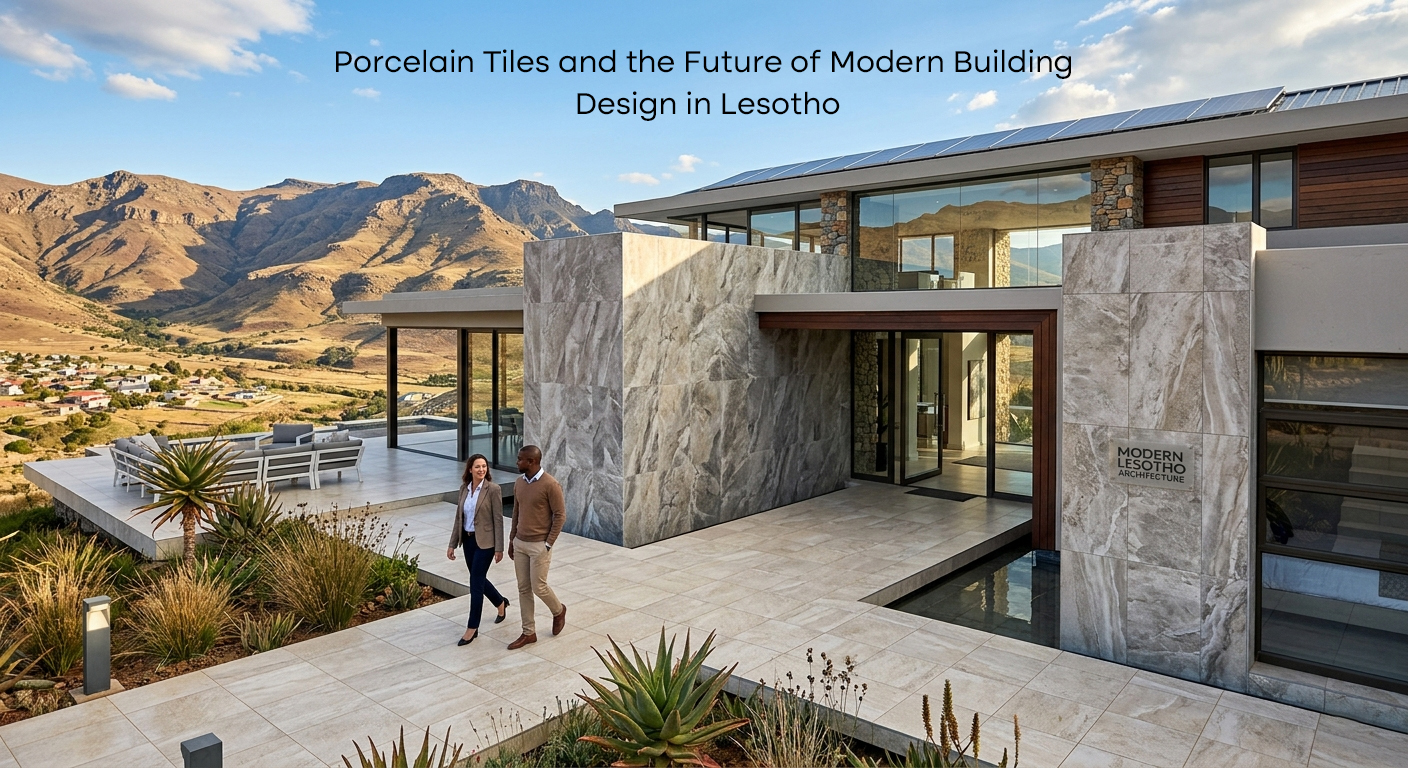
Modern architecture in Lesotho is evolving rapidly as urban development, residential expansion, and commercial infrastructure projects continue to grow. Builders, architects, and property owners are increasingly searching for construction materials that offer durability, aesthetics, sustainability, and long-term value. Among the many materials shaping contemporary construction, porcelain tiles have emerged as one of the most preferred solutions for modern building design.
Known for their strength, versatility, and elegant appearance, porcelain tiles are transforming the way buildings are designed and constructed throughout Lesotho. From residential homes and luxury villas to commercial complexes and public infrastructure, porcelain tiles provide a combination of beauty and functionality that aligns perfectly with modern architectural demands. As the construction industry moves toward smarter and more sustainable building practices, porcelain tiles are expected to play an even greater role in shaping the future of Lesotho’s built environment.
- Introduction to Modern Building Design in Lesotho:
Lesotho’s construction industry has experienced significant growth in recent years due to urbanization, infrastructure development, and increasing investments in residential and commercial projects. Modern architecture in the country now emphasizes functionality, sustainability, energy efficiency, and aesthetic appeal. Architects are adopting contemporary design principles that incorporate open spaces, natural lighting, and durable building materials capable of withstanding environmental challenges.
Porcelain tiles have become an essential component of this architectural transformation. Their ability to complement modern design concepts while offering exceptional durability makes them highly suitable for current construction trends. Whether used in homes, offices, hotels, or public buildings, porcelain tiles help create stylish and practical spaces that meet the demands of modern living.
Key Points:
- Growing urban development in Lesotho.
- Increased focus on modern architecture.
- Demand for durable and sustainable materials.
- Rise of innovative construction technologies.
- Porcelain tiles supporting contemporary design trends.
- The Growing Popularity of Porcelain Tiles in Lesotho:
Porcelain tiles have gained widespread popularity among architects, contractors, and homeowners due to their exceptional performance and visual appeal. As construction standards continue to improve, property owners seek materials that provide long-lasting value without compromising aesthetics.
The versatility of porcelain tiles allows them to be used across various applications, including flooring, wall cladding, facades, kitchens, bathrooms, and outdoor areas. Their availability in multiple sizes, finishes, colours, and textures gives designers unlimited creative possibilities. Furthermore, advancements in manufacturing technology have made porcelain tiles more accessible and affordable, further increasing their adoption throughout Lesotho’s growing construction sector.
Key Points:
- Increasing demand among builders and architects.
- Suitable for multiple applications.
- Wide range of styles and finishes.
- Long-term investment value.
- Growing awareness of quality building materials.
- Durability and Long-Term Performance:
One of the primary reason’s porcelain tiles are favoured in modern construction is their exceptional durability. Manufactured at extremely high temperatures, porcelain tiles possess a dense structure that resists wear, impact, moisture, and staining. This makes them ideal for both residential and commercial environments.
In high-traffic areas such as shopping centers, offices, educational institutions, and public facilities, porcelain tiles maintain their appearance for many years with minimal deterioration. Their resistance to scratches and heavy loads ensures long-term performance even under demanding conditions. For Lesotho’s evolving infrastructure projects, porcelain tiles provide a reliable and cost-effective flooring solution that delivers excellent value throughout a building’s lifespan.
Key Points:
- High resistance to wear and tear.
- Strong and durable construction.
- Suitable for high-traffic environments.
- Long service life.
- Excellent return on investment.
- Aesthetic Appeal for Contemporary Architecture:
Modern architectural design relies heavily on visual appeal, and porcelain tiles offer unmatched design flexibility. Available in marble, stone, wood, concrete, and metallic finishes, porcelain tiles can replicate natural materials while offering superior durability.
Designers can choose from a variety of colours, patterns, textures, and surface finishes to create unique and visually striking environments. Whether creating luxurious residential interiors or sleek commercial spaces, porcelain tiles enhance architectural beauty while maintaining practicality. Their ability to blend seamlessly with contemporary design themes makes them a preferred material for modern projects throughout Lesotho.
Key Points:
- Wide range of design options.
- Realistic natural material effects.
- Modern and luxurious appearance.
- Suitable for contemporary architecture.
- Enhances property aesthetics.
- Energy Efficiency and Sustainable Construction:
Sustainability has become a key consideration in modern construction, and porcelain tiles contribute significantly to environmentally responsible building practices. Their long lifespan reduces replacement frequency, minimizing construction waste and resource consumption.
Porcelain tiles can also improve indoor thermal performance by helping regulate temperatures and supporting energy-efficient building designs. Many manufacturers utilize sustainable production processes and recyclable materials, further reducing environmental impact. As Lesotho continues to embrace green construction initiatives, porcelain tiles provide an eco-friendly solution that aligns with global sustainability goals.
Key Points:
- Supports green building practices.
- Long-lasting and resource-efficient.
- Reduces construction waste.
- Enhances thermal efficiency.
- Environmentally responsible material choice.
- Weather Resistance for Lesotho’s Climate:
Lesotho experiences varying climatic conditions, including temperature fluctuations and seasonal weather changes. Porcelain tiles are specifically engineered to withstand challenging environmental conditions without losing their structural integrity.
Their low water absorption rate protects against moisture-related damage, while their resistance to UV exposure helps preserve colour and appearance over time. Whether installed indoors or outdoors, porcelain tiles remain stable and attractive throughout changing weather conditions, making them a reliable choice for Lesotho’s diverse climate.
Key Points:
- Resistant to temperature changes.
- Low water absorption.
- UV-resistant surfaces.
- Suitable for indoor and outdoor use.
- Long-lasting weather performance.
- Large-Format Porcelain Tiles in Modern Design:
Large-format porcelain tiles are becoming increasingly popular in modern architecture due to their ability to create seamless and elegant surfaces. With fewer grout lines, these tiles provide a cleaner, more sophisticated appearance while making spaces appear larger and more open.
Architects frequently use large-format tiles in luxury residences, hotels, office buildings, and commercial developments. Their sleek design enhances contemporary aesthetics while simplifying maintenance and cleaning. As modern design trends continue evolving in Lesotho, large-format porcelain tiles are expected to remain a leading architectural choice.
Key Points:
- Creates seamless visual effects.
- Fewer grout joints.
- Enhances spaciousness.
- Ideal for luxury projects.
- Supports minimalist architecture.
- Porcelain Tiles for Residential Projects:
Residential construction in Lesotho increasingly incorporates porcelain tiles due to their beauty, practicality, and durability. Homeowners appreciate their ability to withstand daily wear while maintaining a stylish appearance.
Porcelain tiles are commonly used in living rooms, kitchens, bathrooms, bedrooms, balconies, and outdoor patios. Their stain resistance and ease of cleaning make them especially beneficial for family homes. Additionally, the extensive range of design options allows homeowners to personalize interiors according to their preferences while ensuring long-term performance.
Key Points:
- Ideal for modern homes.
- Suitable for every room.
- Easy maintenance.
- Stylish and durable.
- Increases property value.
- Porcelain Tiles for Commercial and Public Buildings:
Commercial and public buildings require flooring and wall solutions capable of handling heavy usage while maintaining professional aesthetics. Porcelain tiles fulfil these requirements exceptionally well.
Offices, hotels, shopping centers, schools, hospitals, and government facilities benefit from porcelain tiles’ strength, hygiene, and visual appeal. Their durability reduces maintenance expenses while enhancing the overall appearance of public spaces. As Lesotho continues expanding its commercial infrastructure, porcelain tiles remain a preferred material for large-scale developments.
Key Points:
- Suitable for commercial applications.
- Handles heavy foot traffic.
- Professional appearance.
- Hygienic and easy to clean.
- Cost-effective long-term solution.
- Technological Innovations in Porcelain Tile Manufacturing:
Advancements in manufacturing technology have significantly improved porcelain tile quality and design possibilities. Digital printing technology allows manufacturers to create highly realistic stone, marble, and wood effects with exceptional detail.
Modern production techniques also enhance tile strength, consistency, and dimensional accuracy. Advanced surface textures and specialized finishes provide improved functionality and aesthetics. These innovations continue expanding the role of porcelain tiles in modern construction projects throughout Lesotho.
Key Points:
- Advanced digital printing.
- Realistic natural material designs.
- Improved product quality.
- Enhanced textures and finishes.
- Innovative manufacturing processes.
- Low Maintenance and Cost Efficiency:
Porcelain tiles require minimal maintenance compared to many alternative building materials. Their stain-resistant, scratch-resistant, and moisture-resistant surfaces simplify cleaning and upkeep.
Property owners benefit from reduced maintenance costs, fewer repairs, and longer replacement intervals. This combination of durability and low maintenance contributes to significant long-term savings. For both residential and commercial properties, porcelain tiles represent an economical investment that continues delivering value over many years.
Key Points:
- Easy cleaning and maintenance.
- Reduced repair expenses.
- Long-lasting performance.
- Lower lifecycle costs.
- Excellent financial value.
- Indoor-Outdoor Design Integration:
Modern architecture increasingly emphasizes seamless transitions between indoor and outdoor living spaces. Porcelain tiles support this trend by providing consistent design continuity across different environments.
The same tile designs can be used throughout interiors, terraces, patios, balconies, and outdoor entertainment areas, creating a unified aesthetic experience. This design approach enhances visual flow, improves functionality, and increases overall property appeal.
Key Points:
- Creates design continuity.
- Connects interior and exterior spaces.
- Enhances visual flow.
- Modern architectural appeal.
- Suitable for outdoor environments.
- Safety Features and Slip Resistance:
Safety remains a critical factor in modern building design. Many porcelain tiles are manufactured with anti-slip surfaces that improve traction and reduce accident risks.
These safety features are particularly valuable in bathrooms, kitchens, swimming pool areas, public walkways, and commercial facilities. By combining safety with aesthetic appeal, porcelain tiles help architects create environments that are both functional and attractive.
Key Points:
- Anti-slip surface options.
- Enhanced user safety.
- Suitable for wet areas.
- Meets modern safety requirements.
- Ideal for residential and commercial projects.
- Future Trends in Porcelain Tile Design:
The future of porcelain tile design is driven by innovation, sustainability, and customization. Emerging trends include eco-friendly manufacturing methods, ultra-large formats, textured surfaces, and digitally customized designs.
Smart technologies and advanced production systems continue expanding creative possibilities while improving product performance. These developments will allow architects and designers in Lesotho to create increasingly sophisticated and sustainable building environments.
Key Points:
- Sustainable manufacturing.
- Ultra-large tile formats.
- Customized designs.
- Innovative textures.
- Future-ready architectural solutions.
- Why Porcelain Tiles Will Continue to Shape Lesotho’s Building Industry:
As Lesotho’s construction industry continues evolving, porcelain tiles are expected to remain at the forefront of modern building design. Their unmatched combination of durability, aesthetics, sustainability, safety, and cost efficiency makes them an ideal material for future construction projects.
From residential developments and commercial complexes to public infrastructure and hospitality projects, porcelain tiles provide solutions that meet modern architectural requirements while supporting long-term performance. As technology advances and design trends evolve, porcelain tiles will continue playing a vital role in shaping the future of Lesotho’s built environment.
Key Points:
- Supports future construction growth.
- Enhances architectural quality.
- Sustainable and durable solution.
- Meets modern design demands.
- Long-term industry impact.
Conclusion:
The future of modern building design in Lesotho is closely connected to the adoption of innovative, sustainable, and high-performance construction materials. Porcelain tiles have proven their value by offering exceptional durability, aesthetic flexibility, weather resistance, energy efficiency, and low maintenance requirements. Their ability to serve both residential and commercial projects makes them an essential component of contemporary architecture.
As construction standards continue to advance across Lesotho, porcelain tiles will remain a preferred choice for architects, builders, developers, and property owners seeking quality and long-term value. By combining beauty, functionality, and sustainability, porcelain tiles are not only enhancing today’s buildings but also helping shape the future of Lesotho’s architectural landscape.